Source Non Toxic Anionic Pam for Water Treatment
Find 30 listings for non toxic anionic pam suitable for industrial wastewater and mining applications. Compare specifications like molecular weight, degree of hydrolysis, and solid content to identify the right flocculant for your sewage treatment needs; compare the available evidence and request quotations based on your requirements.
Key considerations
Products List






Comprehensive Sourcing Guide
Non Toxic Anionic PAM Sourcing Guide
Procuring non-toxic anionic polyacrylamide requires a nuanced understanding of chemical properties and industrial applications. Buyers must distinguish between various grades based on molecular weight and hydrolysis degree, which directly impact flocculation efficiency. The market offers products ranging from high-molecular-weight powders to liquid formulations, each suited for specific water treatment scenarios. Understanding these distinctions is critical for selecting the right agent for industrial cooling water or sewage treatment.
This guide focuses on evidence-based sourcing strategies for anionic variants, emphasizing verification of technical specifications and compliance documentation. While the term "non-toxic" suggests safety, buyers should rely on certified data rather than marketing claims. Key attributes such as solid content, dissolution time, and water insoluble substances must be validated through supplier documentation. This approach ensures that the purchased material meets stringent operational requirements without compromising safety or environmental standards.
Product Scope and Observed Listing Signals
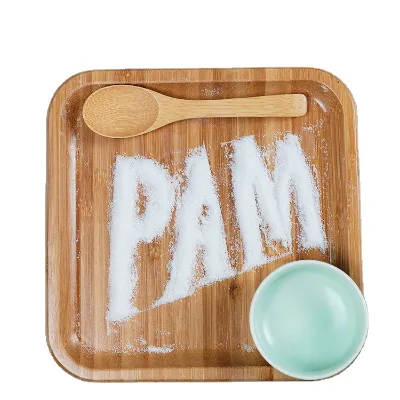
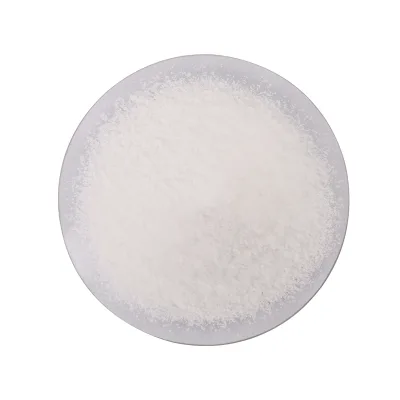
The observed product landscape includes diverse forms such as white particles, powders, and translucent to milky white liquids. Listings indicate a wide price range from one to three thousand one hundred USD, reflecting variations in purity, packaging, and order volume. Minimum order quantities typically span from one unit to one thousand kilograms, allowing flexibility for both pilot tests and bulk industrial procurement. These signals help buyers gauge market availability and negotiate terms based on their specific volume needs.
Product models like APAM, PAM, and HongHai suggest standardized naming conventions, though buyers should verify exact chemical compositions. Attributes such as eco-friendly features and stocked availability indicate supplier readiness, but these claims require substantiation. The presence of REACH certification in some listings provides a baseline for regulatory compliance, yet buyers must confirm that the specific batch aligns with current safety standards. Understanding these listing signals prevents misalignment between procurement expectations and actual product capabilities.
Technical Specifications to Verify
Critical technical parameters include molecular weight, which can range from two to twenty-two million, and degree of hydrolysis, typically between twenty-five and forty percent. Solid content is a vital metric, with some products guaranteeing ninety percent purity while others specify values greater than eighty-eight percent. Buyers must verify dissolution time, which may be as low as thirty minutes for liquid forms or up to sixty minutes for powders. These specifications directly influence the effectiveness of the flocculant in real-world applications.
Additional verification points involve water insoluble substances, which should not exceed zero point three percent, and characteristic viscosity for liquid variants. The mass fraction of polymer content in liquid products often starts at twenty-five percent, requiring careful dilution calculations. Buyers should also check the acid-base property, noting that some listings describe alkaline surfaces while others indicate acidic agents. Confirming these details ensures compatibility with existing water treatment systems and prevents operational inefficiencies due to mismatched chemical properties.
Compliance and Safety Documentation
Regulatory compliance is paramount when sourcing chemical agents for industrial use. The presence of REACH certification in supplier listings indicates adherence to European chemical regulations, a critical factor for global trade. Buyers should request certificates of analysis to verify that the product meets specific purity and safety thresholds. Documentation should explicitly state the absence of harmful contaminants, supporting the "non-toxic" designation through empirical data rather than vague assertions.
Safety data sheets must be reviewed to understand handling, storage, and disposal requirements. While some products are labeled as eco-friendly, buyers must confirm that the manufacturing process and final product do not pose environmental risks. Certifications like WQA, when present, add another layer of assurance regarding water quality standards. Ensuring that all documentation is up-to-date and verifiable protects the buyer from regulatory penalties and reputational damage associated with non-compliant materials.
Cost Drivers and Commercial Terms
Pricing in this sector is influenced by molecular weight, purity levels, and packaging formats. Higher molecular weights and greater degrees of hydrolysis typically command premium prices due to increased production complexity. Packaging options, ranging from twenty-five kilogram kraft paper bags to ton barrels, affect logistics costs and storage requirements. Buyers should evaluate the total cost of ownership, including shipping and handling, rather than focusing solely on the unit price.
Minimum order quantities significantly impact pricing structures, with larger volumes often securing better rates. Suppliers may offer customization options for packaging or specific chemical formulations, which can alter the final cost. It is essential to clarify whether the quoted price includes taxes, duties, and transportation fees. Transparent commercial terms help buyers avoid hidden costs and ensure that the procurement budget aligns with the expected expenditure for the required quantity and specifications.
Supplier Qualification and Quality Control
Selecting a reliable supplier involves verifying their manufacturing capabilities and quality control processes. Buyers should inquire about the supplier’s origin, with many products originating from regions like Henan, China, known for chemical production. Assessing the supplier’s ability to provide consistent product quality is crucial, as variations in batch composition can affect treatment outcomes. Requesting samples for preliminary testing allows buyers to validate claims regarding dissolution time and flocculation performance before committing to large orders.
Quality control measures should include regular testing of key parameters such as solid content and viscosity. Suppliers with established quality assurance protocols are more likely to deliver products that meet specified standards. Buyers should also evaluate the supplier’s responsiveness to technical queries and their willingness to provide detailed product information. A supplier’s commitment to transparency and continuous improvement is a strong indicator of their reliability as a long-term partner in the supply chain.
Long-Term Procurement Checks
Establishing a long-term procurement strategy requires regular audits of supplier performance and product consistency. Buyers should monitor changes in product specifications, such as shifts in molecular weight or purity levels, which may indicate alterations in the manufacturing process. Maintaining open communication with suppliers ensures that any adjustments in regulatory requirements or market conditions are promptly addressed. This proactive approach helps mitigate risks associated with supply chain disruptions or quality degradation.
Continuous evaluation of the product’s performance in actual applications is essential for validating procurement decisions. Buyers should track metrics such as dosage efficiency and treatment effectiveness to determine if the current product meets evolving operational needs. Periodic re-evaluation of supplier qualifications ensures that partners remain compliant with industry standards and safety regulations. By maintaining rigorous long-term checks, buyers can sustain high-quality operations and optimize their chemical procurement strategies over time.
FAQs
What certifications do the non toxic anionic pam products have?
The products hold REACH certification, ensuring compliance with safety standards. Some listings also include WQA certification for water treatment applications. These certifications verify the chemical meets regulatory requirements for industrial use without toxic concerns.
How is the solid content defined for these polyacrylamide products?
Solid content is specified as 90 percent in some grades and at least 88.5 percent in others. This high concentration ensures efficient dosing during sewage treatment processes while maintaining stability and performance across various industrial cooling water scenarios.
Which packaging options are available for shipping these chemicals?
Packaging includes Kraft paper bags, plastic bags, woven bags, or barrels depending on the specific model. Standard weights are 25 kilograms per bag or barrel, with options for ton barrels to support bulk industrial procurement needs effectively.
Can buyers request customization for these anionic polyacrylamide products?
Yes, customization is available for specific product models like HongHai and APAM. Buyers can request tailored specifications to match their unique water treatment requirements while maintaining the core alkaline or acidic surface disposal properties required for their operations.
What is the typical dissolution time for these polymer powders?
Dissolution time is generally 60 minutes or less for powder forms at standard concentrations. Some liquid variants dissolve within 30 minutes, ensuring rapid preparation for immediate application in industrial cooling water and sewage treatment systems efficiently.
How does the molecular weight affect the product performance?
Molecular weight ranges from 2 to 22 million, influencing flocculation efficiency significantly. Higher molecular weights enhance particle aggregation in sewage treatment, while the degree of hydrolysis between 25 and 40 percent optimizes charge density for specific water conditions.
What is the minimum order quantity for these chemicals?
Minimum order quantities vary from 1 unit up to 1000 kilograms depending on the supplier. Specific listings indicate a 1000 kg MOQ for certain grades, while others may accept smaller trial orders to facilitate initial procurement and testing phases.
Where are these non toxic anionic pam products manufactured?
Products originate from China, with specific manufacturing locations including Henan province. This regional sourcing supports global supply chains while ensuring consistent quality standards for industrial water treatment applications across various international markets.